
Literacy for Africa
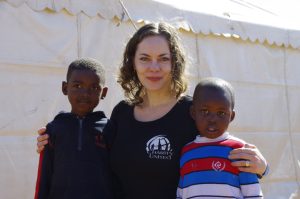
During a day of educational activities teaching English, Human Rights, Truth about Drugs, and the importance of nomenclature in education.
In 1994, humanity scored a major victory with the official end of Apartheid in South Africa, and while much progress has been made since this date, many people across South Africa still live in poverty, with a large portion of these people living in extreme poverty.
In the extreme-poverty sectors of South Africa, the so-called “squatter camps,” or “informal settlements,” little to no progress has been made. Due to their economic situations, time has essentially stood still since that momentous occasion, and they are still living in the same conditions as they did during Apartheid.
An informal settlement (and there are many in South Africa) is essentially a government-sanctioned location where the poorest of society build shacks in order to somehow eke out a living. As they are located at the edges of society, they lack basic services such as running water, electricity, food, and proper sanitation — not to mention medical support or any form of social services.
Children growing up in informal settlements frequently eat only one meal a day, do not have basic hygiene facilities, and do not have the opportunity to go to preschool. If and when they do make it to school, they are so far behind that they almost never catch up.
These children lack nothing in compassion, friendliness, or intelligence. It is simply a matter of not having basic services to allow them to get ahead in life. It is, unjustly and unfairly, a matter of being born in the wrong place at the wrong time.
Not having access to basics such as adequate food, clothing, shelter, and education is a violation of basic human rights. This is just wrong, and is not something that should be tolerated in the 21st century. Charity United began with a project to make this right, taking an active hand in bringing basic human rights to children in informal settlements in South Africa — and that work has since grown into supporting children, students, and volunteers in communities across other parts of Africa as well.
Instead of having these children in a situation of “the wrong place at the wrong time,” we’ve made it our mission to turn that around into the right place at the right time.
We invite you to join us in that mission — where each child is given the opportunity for education, so that they may have the chance of making it out of poverty and into a future full of possibility.